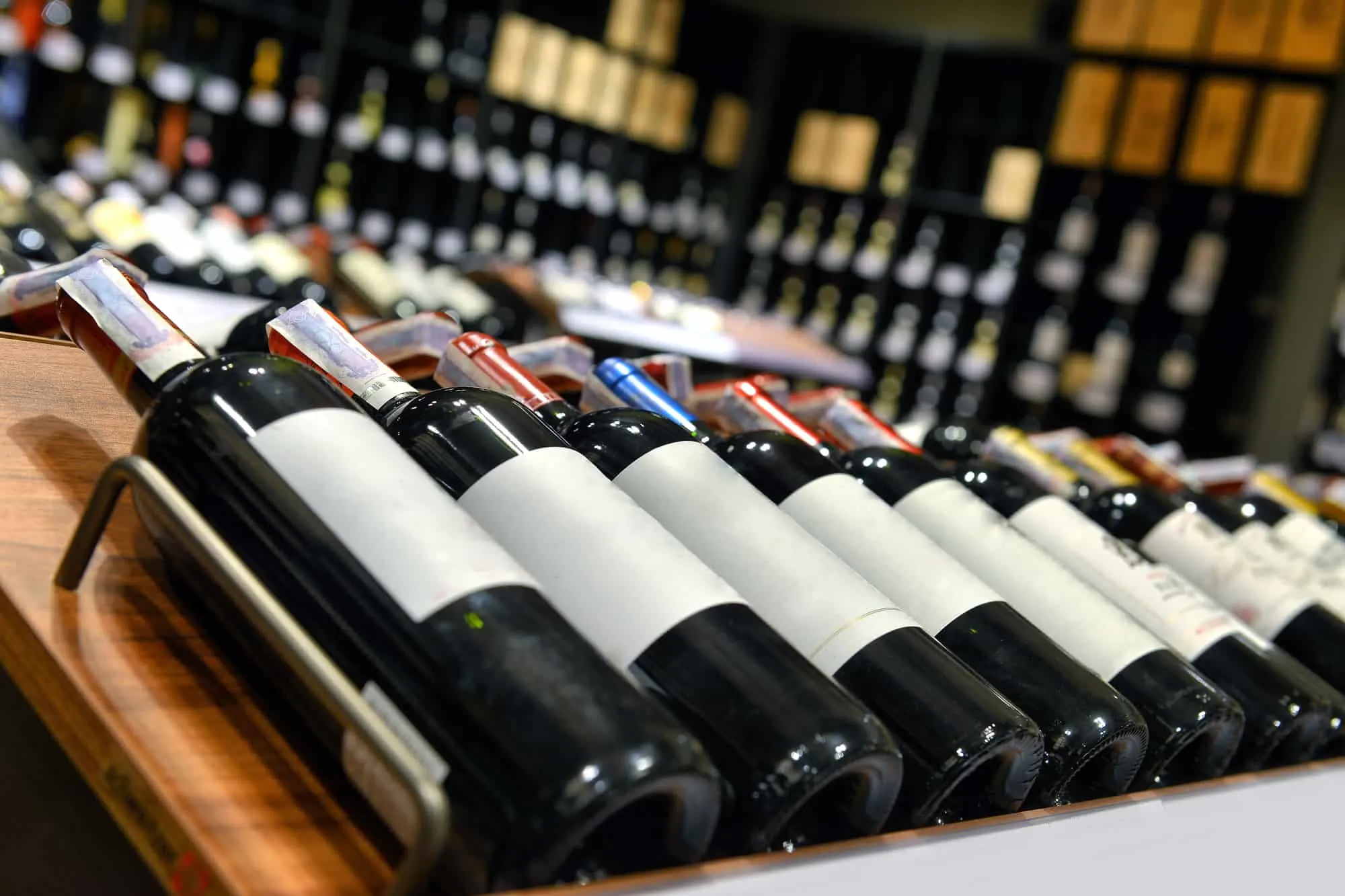
Understanding the complexities of liquor licensing in Dubai and the UAE is crucial for businesses. This guide covers the various types of licenses – for importing, selling, serving, and purchasing liquor – outlining the process, key requirements, and essential business considerations to ensure compliance and avoid legal pitfalls.
If you want to start a business related to alcohol in Dubai or anywhere in the UAE, it is important to understand that this is a regulated activity. You cannot buy, sell, serve, import, or trade liquor like an ordinary product. Alcohol-related activities require special approvals and licences from the relevant authorities.
Whether you are planning to open a restaurant, hotel, club, retail outlet, or trading business, you must first identify the correct type of liquor licence. Each licence is issued for a specific purpose, and using the wrong activity or structure can cause delays, extra costs, or legal issues later.
That is why liquor licensing should not be treated as just a paperwork process. It should be handled as part of your full business setup and compliance plan.
You may also want to read more about related services such as business setup in the UAE, trade licence advisory, regulatory compliance, and corporate structuring.
What is a liquor license in Dubai?
A liquor licence is an approval that allows a person or a company to carry out a specific alcohol-related activity in the UAE. This may include importing, selling, serving, or purchasing liquor, depending on the type of licence.
In general, liquor licences are divided into the following types:
- Type A Licence – for importing liquor
- Type B Licence – for selling liquor from a shop or warehouse
- Type C Licence – for serving liquor in a hotel, restaurant, or club
- Type D Licence – for purchasing liquor
Each type of licence has a different purpose. For example, a hotel that wants to serve alcohol will not follow the same process as a company importing alcohol into the UAE.
Types of liquor licenses in the UAE
1) Type A Licence – Importing Liquor
This licence is for businesses that want to import alcohol into the UAE through approved channels. It is usually relevant for companies involved in supply, distribution, or wholesale operations.
If your business model includes bringing liquor from another country into the UAE, you may need to look at customs procedures, warehouse arrangements, and product documentation as part of the setup.
2) Type B Licence – Selling Liquor
This licence is generally for businesses that want to sell liquor from a shop, store, or warehouse. It may apply to approved retail or distribution activities, depending on the business model and jurisdiction.
Businesses in this category should also focus on proper stock control, records, and storage compliance.
3) Type C Licence – Serving Liquor
This is one of the most relevant licences for the hospitality sector. It is meant for businesses such as:
- hotels
- restaurants
- clubs
- hospitality venues
If a business wants to serve alcohol to customers on its premises, this is usually the category to review.
4) Type D Licence – Purchasing Liquor
This licence relates to the purchase of liquor under the approved legal structure. While it is narrower than the other categories, it still forms part of the overall regulatory system for alcohol in the UAE.
Why is liquor licensing important?
Liquor licensing is important because alcohol is a controlled product in the UAE. The authorities regulate who can import it, who can sell it, where it can be served, and under what conditions it can be purchased.
This means businesses must not only get the right licence, but also continue to follow the rules after the licence is issued.
Some of the key compliance points usually include:
- using the correct business activity
- operating only from approved premises
- selling or serving through licensed channels only
- maintaining records and supporting documents
- renewing the licence on time
- following any customs or storage requirements, where applicable
A business that gets the licence but ignores ongoing compliance may still face problems later.
How to get a liquor license in the UAE
The exact process depends on the business type, ownership structure, and jurisdiction. However, in most cases, the process usually follows these basic steps:
- Identify the exact activity
Decide whether your business will import, sell, serve, or purchase liquor. - Choose the right jurisdiction
Select the most suitable Emirate or authority based on your business model. - Set up the company structure
Make sure the company type, ownership, and licence activity match the intended business. - Prepare the required documents
Collect the documents needed for the application and approvals. - Apply for approvals
Submit the application to the relevant authorities and obtain the required clearances. - Complete the licence process
Pay the fees, finalise the formalities, and prepare for operations. - Track renewals and compliance
Keep the business compliant after the licence is issued.
It is always better to structure the business correctly from the beginning instead of trying to fix problems later.
Documents usually required for a liquor licence
The exact documents may differ depending on the authority and the business structure. However, the common documents often include:
- passport copy of the shareholder or authorised signatory
- passport-size photographs
- completed application form
- proof of address
- bank statements, where required
- No Objection Certificate, if applicable
- board resolution for corporate applicants
- power of attorney for the authorised representative
- company constitutional documents
- parent company trade licence, where applicable
- certificate of good standing, where relevant
- passport and ID documents of directors, shareholders, and managers
Since the required documents may vary, it is best to check the exact list before starting the application.
Liquor licence for hotels, restaurants, and clubs
Hotels, restaurants, and clubs usually need special attention because serving alcohol is linked not only to the trade licence, but also to the premises, lease, fit-out, and other operating approvals.
For example, a restaurant may need to align:
- its main business licence
- its lease or premises documents
- its operating approvals
- its service model
- its liquor service approval
If the setup is not planned properly from the beginning, it may slow down the opening of the business.
Import, export, and trading considerations
If your business involves importing or exporting liquor, there are more practical matters to review beyond the licence itself.
These may include:
- customs clearance
- shipping documents
- warehouse arrangements
- labelling requirements
- inventory controls
- product traceability
- destination country rules for export
This is why liquor trading businesses should build a proper compliance and documentation process from day one.
Common mistakes businesses should avoid
Many businesses face delays because they rush into the setup without understanding the licensing structure. Some common mistakes include:
- choosing the wrong business activity
- applying in the wrong jurisdiction
- not checking the full approval process in advance
- incomplete documentation
- ignoring post-licence compliance requirements
- treating liquor licensing like a standard trade licence application
Avoiding these mistakes can save time, money, and operational disruption.
Why professional help matters
Liquor licensing is a specialised area. It requires proper planning, document review, regulatory understanding, and coordination with the right authorities.
Professional support can help you:
- choose the correct licence type
- select the right business structure
- reduce delays in the process
- prepare the correct documents
- avoid compliance issues later
- build a stronger and more practical setup model
Contact BWMC for Assistance
If you are planning to apply for a liquor licence in Dubai or elsewhere in the UAE, BWMC can help you understand the process, choose the right structure, and support you with the setup and compliance side of the business.
For assistance, please contact:
Email: sales@bwmc.ae
Contact Person: Mahesh Thadani
Mobile: +971 528766284
Final Thoughts
A liquor licence in Dubai and the UAE is not just a formality. It is a specialised approval that must match the actual business activity. Whether you want to import, sell, serve, or trade alcohol, the key is to start with the right structure, the right documents, and the right compliance approach.
If the setup is planned properly from the beginning, the business can move forward more smoothly and with lower regulatory risk.