
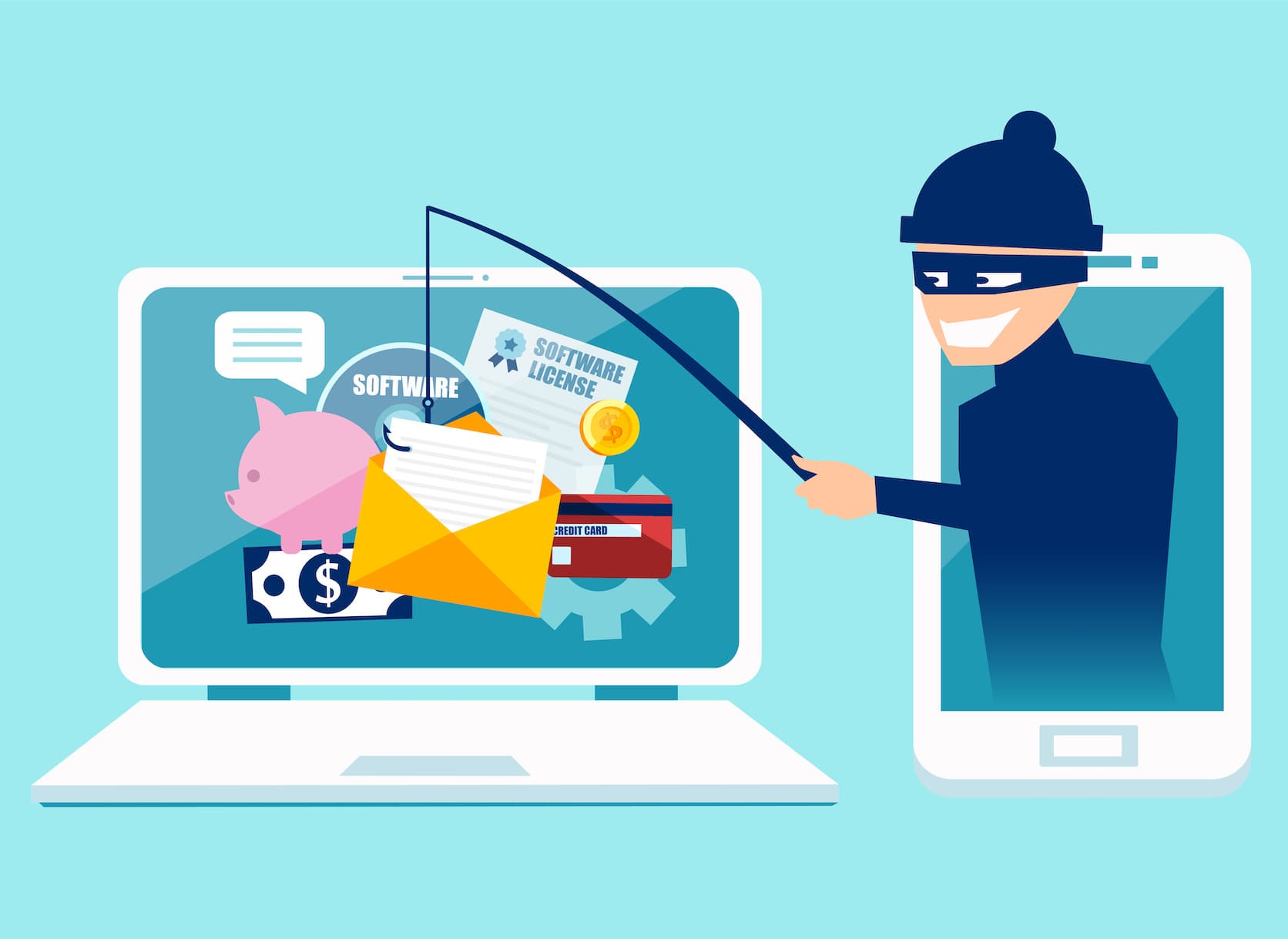
Phishing is a pervasive cyber threat to UAE businesses. This guide demystifies phishing attacks, provides real-world examples, highlights crucial warning signs, and offers actionable strategies to safeguard your business against fraud and data loss.
Imagine this.
An employee in a company's finance department receives an email that appears to come from the Managing Director. The message is short, urgent, and marked confidential.
It says:
"Please process the attached payment today. This is urgent and should not be delayed."
The email looks genuine. The name is familiar. The language sounds professional. Under pressure, the employee acts quickly without carrying out the normal verification process.
A few hours later, the company discovers the truth.
The email was fake. The sender's address was slightly different from the real one. The payment request was fraudulent. The money was transferred to a scammer.
This is a classic example of a phishing attack.
Phishing is one of the most common and dangerous forms of cyber fraud in today's business environment. It targets trust, urgency, and human error. A single phishing email can expose bank details, login credentials, confidential data, and company funds.
For businesses of all sizes, phishing is not just an IT issue. It is a financial risk, a compliance concern, and an operational threat.
What Is Phishing?
Phishing is a cyberattack in which a fraudster pretends to be a trusted person, bank, company, government authority, or service provider in order to trick someone into sharing sensitive information or taking an unsafe action.
A phishing attack may be used to steal:
usernames and passwords bank account details credit card information one-time passwords internal company data payment approvals system access credentials
Phishing usually happens through email, but it can also happen through text messages, WhatsApp, fake websites, phone calls, and social media platforms.
How Does a Phishing Attack Work?
A phishing attack is usually simple in structure but highly effective in execution.
The attacker sends a message that appears genuine. The message creates urgency, fear, authority, or curiosity. The victim is then encouraged to click a link, open an attachment, or provide confidential information.
Once the victim acts, the attacker may:
steal login credentials gain access to bank accounts collect personal or business data install malicious software divert company payments compromise internal systems
In many cases, the phishing email contains a link to a fake website that looks almost identical to the real one. The user believes the website is genuine and enters their details, which are then captured by the attacker.
Phishing Email Example
Here is a simple phishing email example:
Subject: Urgent: Verify Your Account Immediately
Message: Dear Customer, We have detected unusual activity on your account. For your protection, your online access has been temporarily restricted. Please verify your information using the secure link below within 24 hours to avoid permanent suspension.
At first glance, this message may appear real. It may include a bank logo, formal language, and a security warning. However, there are several red flags.
Why This Email Is Suspicious It uses a generic greeting such as "Dear Customer" It creates fear and urgency It asks for immediate action The sender's email address may be slightly different from the official one The link may direct the user to a fake website
A legitimate bank generally does not ask customers to verify sensitive information through an email link in this manner.
Types of Phishing
Phishing attacks can take different forms depending on the target and communication method.
1. Email Phishing This is the most common type. The attacker sends an email pretending to be from a trusted source such as a bank, supplier, regulator, or internal department.
2. Spear Phishing This is a targeted phishing attack aimed at a specific individual or business. The message may include the victim's name, job title, company details, or business relationships to appear more credible.
3. Smishing Smishing is phishing carried out through SMS or text messages. These messages often relate to deliveries, payments, account issues, or verification requests.
4. Vishing Vishing is phishing conducted through voice calls. The caller may claim to represent a bank, telecom provider, service company, or government authority.
5. Business Email Compromise This is one of the most serious forms of phishing for businesses. The attacker impersonates a senior executive, finance manager, or supplier and requests an urgent transfer of funds or a change in bank details.
Common Warning Signs of Phishing
Phishing messages are becoming more polished, but there are still several indicators that should raise concern.
Suspicious Sender Address
The email may appear to come from a known company, but the domain is slightly altered or misspelled.
Generic Greeting
Messages that start with "Dear User" or "Dear Customer" instead of your actual name should be reviewed carefully.
Urgent or Threatening Language
Phishing emails often create pressure by warning of account suspension, penalties, delayed shipments, or urgent payment deadlines.
Requests for Sensitive Information
Any request for passwords, one-time passwords, bank details, or confidential business data should be treated with caution.
Unexpected Links or Attachments
Attachments and links from unknown or unverified sources can be dangerous and should not be opened casually.
Request to Ignore Usual Process
If the message asks you to bypass internal approval procedures or treat the matter as confidential and urgent, that is a major warning sign.
Why Phishing Is a Serious Business Risk
Phishing can have a direct and immediate impact on business operations.
A successful phishing attack may result in:
financial loss unauthorized payments theft of confidential information compromised email accounts data breaches reputational damage disruption of operations potential compliance and legal consequences
Businesses should therefore address phishing through internal controls, employee awareness, and management oversight.
How to Protect Your Business from Phishing
A strong anti-phishing strategy requires both human awareness and operational safeguards.
Verify Email Requests
Always review the sender's address carefully. Do not rely only on the display name.
Confirm Payment Instructions Independently
If a message requests urgent payment, bank detail changes, or confidential action, verify it by calling the person through a trusted number.
Avoid Clicking Unknown Links
Before clicking any link, hover over it and review the destination address. If there is any doubt, visit the official website directly.
Do Not Share Passwords or OTPs
No legitimate organization should ask you to share passwords or one-time passcodes through email or text.
Train Employees Regularly
Finance, HR, operations, and senior management should all receive basic phishing awareness training.
Use Multi-Factor Authentication
This adds another layer of security even if login details are stolen.
Keep Systems Updated
Email filters, antivirus solutions, and updated software help reduce risk.
Strengthen Internal Approval Controls
Clear approval workflows for payments and banking changes can prevent unauthorized transactions.
What To Do If You Receive a Phishing Email
If you suspect a phishing email, take immediate action.
do not click the link do not open attachments do not reply to the message report it internally to IT or management delete it after reporting change your passwords immediately if you clicked or submitted information contact your bank if financial details may have been exposed review systems and account activity for any unauthorized access
Quick response can significantly reduce the impact of an attack.
Final Thoughts
Phishing is one of the most common cyber risks affecting individuals and businesses today. It does not always rely on advanced technology. In many cases, it works simply by creating urgency and exploiting trust.
That is why phishing awareness is essential. A single email can result in lost funds, stolen data, and serious business disruption.
The best protection is a disciplined approach: verify first, act second.
Call to Action
If your business needs support in strengthening internal controls, improving awareness, or reviewing operational risk areas, Bridgewater Management Consultancies can assist.
Email: sales@bwmc.ae Website: www.bwmc.ae Contact Person: Barkha Singh Mobile / WhatsApp: +971 543097848
Written By

Written by
Mahesh Thadani
Director
Mahesh Thadani is a seasoned Certified Chartered Accountant and senior finance professional with extensive expertise across taxation, financial advisory, and international business structuring. With a strong command over UAE regulatory frameworks—including VAT, Corporate Tax, ESR, AML, and KYC compliance—he advises businesses on navigating complex financial and legal landscapes with precision and strategic clarity.